Where Is N. Camden Drive and Why Do Watch Buyers Mention It?
N. Camden Drive is a north-south street in Beverly Hills, California. Its central stretch sits near the city’s best-known luxury retail area, including Rodeo Drive. That is why people searching for a watch buyer may see the phrase “a block from Rodeo Drive” alongside a Camden Drive address. The location is convenient, but the street name alone does not tell you what a buyer will pay, how a transaction works, or whether a particular service suits your needs.
Watch sellers mention N. Camden Drive because businesses in and around Beverly Hills offer ways to turn a luxury watch into cash, including outright purchases, loans secured by watches, and consignment. Diamond Banc Beverly Hills is one name people may encounter in that search. Before visiting any company, check its current address, appointment requirements, services, and terms directly. Businesses can move, and a map result is not a substitute for confirming the details.
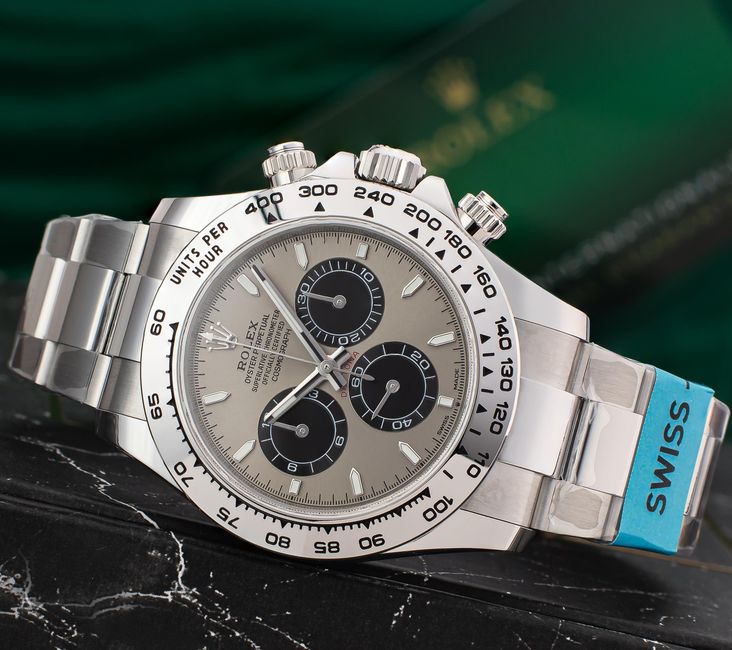
The more important question is what happens after you walk in. A serious evaluation should start with authentication, a close review of condition and originality, and pricing informed by current secondary-market data. It should also begin with the watch itself, not a vague promise based on a famous brand name.
Finding N. Camden Drive in Beverly Hills
N. Camden Drive is in central Beverly Hills, close to the luxury shopping and business district around Rodeo Drive. “A block from Rodeo Drive” is a useful shorthand in some listings, but the precise distance depends on the business address and the route you take. If you are planning a visit, look up the specific street number, confirm the entrance, and ask whether the company sees clients by appointment.
The neighborhood’s reputation can make the process feel more formal, but a polished office does not automatically mean a better offer. Treat location as a practical detail. The quality of the transaction depends on how clearly the buyer explains the valuation, what documentation they provide, and whether you understand the terms before signing.

Why Watch Buyers Come Up in Beverly Hills Searches
Beverly Hills has a long association with luxury goods, including watches. A local buyer may appeal to someone who wants an in-person conversation, a physical inspection, or a faster route than selling privately online. A face-to-face appointment can also make it easier to discuss several choices at once: selling outright, borrowing against the watch, or leaving it with a company on consignment.
Those choices are not interchangeable. One gives up ownership for an agreed payment. Another provides a loan while the owner retains a right to reclaim the watch under the contract. Consignment gives a company time to find a buyer, with payment generally tied to a completed sale and the agreed fees. The right path depends on your priorities, not simply on which option advertises the largest possible number.
Three Ways to Turn a Watch into Money
Option What happens Main advantage What to weigh Outright sale You transfer ownership for an agreed payment. Speed and certainty once you accept the offer. You no longer own the watch, and a quick sale may bring a lower offer than a patient retail sale. Loan secured by a watch You borrow against the watch and may reclaim it under the loan terms. You can access funds while retaining a path to keep ownership. Review interest, fees, deadlines, renewal terms, and what happens if you cannot repay. Consignment A company markets the watch and pays you after a sale, less agreed costs. It may offer higher potential proceeds than an immediate buyout. It takes time, the sale price is not guaranteed, and fees and custody terms matter.Outright Sale: Speed and Certainty
If you need a clear result soon, selling outright can be the simplest route. The buyer inspects the watch, makes an offer, and, if you agree, pays according to the transaction terms. You exchange the possibility of a higher price later for a more immediate and predictable outcome.
That convenience has a cost. A buyer must account for authentication, servicing or repair risk, inventory time, selling expenses, and margin. A “fast cash” offer usually means a discounted offer compared with the price a watch might reach in a slower retail or private sale. That does not automatically make it unfair. It does mean you should compare the offer with the net amount you could realistically receive elsewhere, not with an optimistic asking price you saw online.
Borrowing Against a Watch: Access Funds, Keep Ownership
A loan secured by a watch may suit someone who needs liquidity but does not want to sell a valued or hard-to-replace piece. The watch secures the loan, and the contract sets the repayment schedule and the conditions for getting it back. Read the agreement closely before handing over the watch.
- Ask for the annual interest rate and a complete list of fees.
- Confirm the repayment deadline, payment methods, and any extension or renewal rules.
- Understand where the watch will be stored and how the company protects it.
- Ask what happens if you miss a payment or cannot repay on time.
- Get the loan amount, total repayment amount, and custody terms in writing.
“Keeping ownership” is not the same as having unrestricted access to the watch during the loan. In many arrangements, the lender holds it as collateral until you repay. The contract determines your rights and the consequences of default, so do not rely on a verbal summary.
Consignment: More Time, Potentially More Proceeds
Consignment can make sense if you are willing to wait for the right buyer and want the company to handle marketing and the sale. The watch remains yours until it sells, subject to the consignment agreement, and you receive the agreed proceeds after the sale and any fees or expenses.
Consignment is not instant, and a higher potential selling price is not a guaranteed outcome. Before agreeing, ask how the company sets the asking price, how often it reviews that price, where it will advertise the watch, and how long the agreement lasts. Clarify insurance, storage, shipping, return costs, discount authority, and the commission. Ask for a sample settlement statement so you can see what you would receive at different sale prices.
What Drives Rolex Value?
Rolex value depends on more than the crown on the dial. A useful evaluation considers the exact reference, the watch’s condition, and its originality. These factors interact. Two watches that look similar in a quick photograph may have different market demand, service histories, components, or completeness.
Reference and Configuration
The reference identifies a particular model and production configuration. It helps establish the watch’s case, movement, bezel, dial, and general market category. Demand can vary substantially across references, and even within a reference, dial variations, production details, and metal or bracelet configurations can affect buyer interest. A buyer who calls every example “a Submariner” has not done enough work. The exact reference matters.
Serial and reference information should be handled carefully and checked against the watch and its available records. A seller does not need to publish sensitive identifying details in a public listing just to get an initial opinion. For a formal https://technivorz.com/do-box-and-papers-really-change-a-rolex-offer-that-much/ evaluation, provide the information through a secure, appropriate channel.
Condition and Service History
Condition grading should describe the actual watch, not hide behind a broad label such as “excellent.” Scratches, dents, bracelet stretch, polishing, dial or hand condition, water exposure, and mechanical performance can all affect value. A watch that runs may still need service. A watch with visible wear may remain desirable, but the wear should appear in the assessment and the offer.
Ask the evaluator to explain the grade and identify any condition issues that affect the price. If the watch has service records, include them. A recent service can be useful evidence, but it does not necessarily add its full cost to the resale value. The market pays for the watch and its desirability, not automatically for every dollar spent on maintenance.
Originality and Completeness
Originality concerns whether important components match the watch’s expected configuration. Replacement parts, aftermarket additions, refinishing, and later changes can influence collectability and buyer confidence. A replaced service part is not automatically a problem, but the evaluator should identify it accurately and explain how it affects the valuation.
Bring the box and papers before talking numbers. Those items can support provenance and make a watch more complete for some buyers, but they do not prove authenticity on their own. Their importance varies by reference, age, condition, and market demand. Do not assume that a box or warranty card will turn an ordinary offer into a premium one.
How a Credible Evaluation Should Work
A professional assessment should combine authentication, condition grading, and pricing from live secondary-market data. Each step answers a different question. Authentication examines whether the watch and its components are genuine. Condition grading records the state of the watch. Market analysis estimates what comparable pieces can realistically sell for under current conditions.
Live data does not mean that every online asking price represents a completed transaction. Asking prices can sit above the level buyers will pay, and listings may not match your watch’s reference, condition, originality, or completeness. A useful valuation distinguishes active listings from reported sales when possible, checks comparable configurations, and accounts for the buyer’s route to resale.
Ask how the evaluator reached the number. A clear explanation should name the reference, describe the condition, note any originality concerns, identify relevant comparable market activity, and show how fees or service needs affect the offer. If the answer is only “Rolex is always in demand,” ask for a more specific analysis.
Questions to Ask Before You Choose a Buyer
- What exactly are you evaluating? Confirm the reference, configuration, and included accessories.
- How do you authenticate and grade condition? Ask what happens if the watch needs further inspection.
- What market data supports the offer? Request comparable examples and clarification about asking prices versus completed sales.
- What is my net amount? Include commissions, fees, loan costs, shipping, servicing, and other deductions.
- When do I receive payment? Get the timing and payment method in writing.
- What happens if I decline? Confirm whether there is any inspection, storage, or return charge.
- Who holds responsibility for the watch? For a loan or consignment, review insurance and custody terms.
Is Diamond Banc Beverly Hills the Right Place for You?
Someone searching for “diamond banc beverly hills” may be comparing local options for selling or borrowing against a luxury watch. Treat Diamond Banc Beverly Hills as you would any prospective company: confirm the current location and available services, request the written terms, and compare the proposed transaction with at least one other credible option. A nearby office may make an appointment convenient, but convenience alone cannot establish value.
Decide first what matters most. If you value rolex pricing guide 2026 speed and certainty, compare outright offers and focus on the net payment. If you want to retain a chance to reclaim the watch, examine the loan terms and your repayment plan. If you can wait and want higher potential proceeds, review consignment costs and timelines carefully. Each route solves a different problem.
The Bottom Line
N. Camden Drive is a Beverly Hills address near the Rodeo Drive retail district, which explains why watch buyers and sellers encounter it in local searches. The phrase “a block from Rodeo Drive” may help orient you, and Diamond Banc Beverly Hills may appear among the businesses people research, but the address is only the beginning of due diligence.
For a Rolex or another luxury watch, insist on a specific assessment: authenticate the watch, grade its condition, establish originality, and price it using relevant live secondary-market data. Bring the box and papers before discussing numbers. Then compare an outright sale, a loan, and consignment based on your timeline, ownership goals, costs, and realistic net proceeds. A sound decision starts with the watch in front of you, not a slogan or a guess.