Where Do "Real Time" Rolex Prices Come From?
In the dynamic world of luxury watches, understanding where "real time" Rolex prices come from is crucial for both buyers and sellers. marketplace comps for watches Whether you are a collector, a watch retailer, or simply an enthusiast, the way Rolex watches are valued on the secondary market versus their Manufacturer's Suggested Retail Price (MSRP) can be surprising. In this deep dive, we'll explore how secondary market pricing works, why scarcity and collector demand cycles influence values, and how tools like auction results and dealer sales rolex condition impact on price data contribute to what many call “real-time” pricing. You’ll also see how companies such as Rolex itself, Diamond Banc, and Market Realist parse this information to provide insight into the marketplace.
The MSRP vs. Secondary Market Dichotomy
Rolex sets the MSRP for each model—this is the official retail price you’d pay buying brand new from an authorized dealer. However, these prices are often not reflective of what watches sell for on the secondary market, where pre-owned and often discontinued models change hands.
Why the difference?
- Scarcity: Many popular models are subject to waiting lists and limited production, which creates a supply-demand imbalance.
- Collector Demand Cycles: Certain references rise in popularity over time, sometimes decades after being discontinued.
- Market Perceptions: Some watches become symbols of status or rarity, pushing resale prices above MSRP.
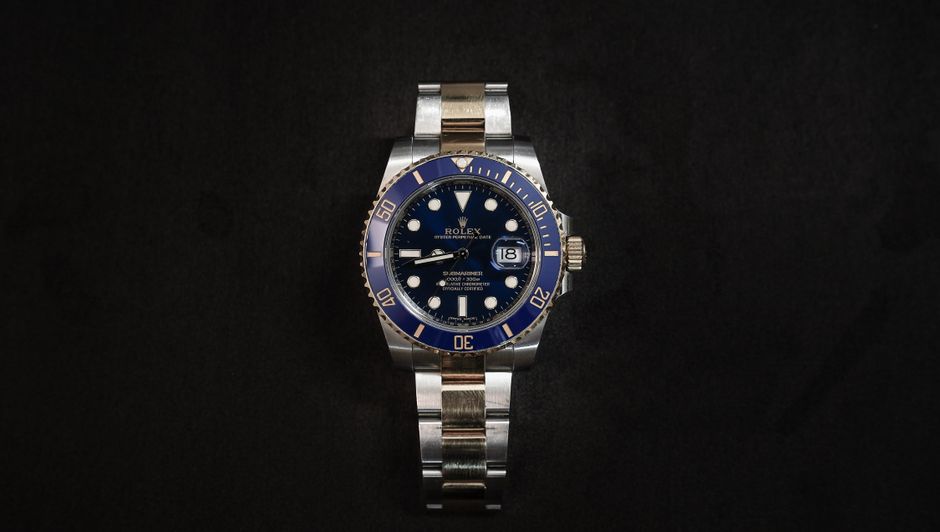
For example, although no explicit prices were provided in recently scraped content, industry insiders know the stainless steel sports models (e.g., Submariner, Daytona) tend to command premiums in the secondary market compared to their MSRP.
Scarcity and Discontinuation Effects
Scarcity is a fundamental driver of secondary market pricing. When Rolex discontinues a model or a dial variant, the watch quickly becomes more collectible as new units cease production. This scarcity leads to increased demand among collectors and dealers, which in turn drives up prices.
Consider the example of the Rolex GMT-Master II with the "Pepsi" bezel. Since its discontinuation of earlier versions and emergence of newer models, earlier references with original features are highly sought after, pushing prices upward.
Collector Demand Cycles: More Than Just Hype
Collector demand cycles refer to how interest in specific Rolex models fluctuates over time. These aren’t just random spikes; they’re driven by factors such as cultural trends, celebrity endorsements, auctions spotlighting particular references, and availability of certain dial types.
Understanding these cycles helps sellers and buyers anticipate value trends instead of relying solely on MSRP or static pricing data.
Transaction Comps and Real-Time Pricing: The Data Behind the Curtain
The concept of “real time” Rolex pricing is often misunderstood. Unlike stocks, watches do not have a continuous market price. Instead, real-time pricing is an approximation derived from recent transaction comps — actual sales data from dealers, private buyers, and auction houses.
Two key sources of transaction comps include:
- Dealer Sales: Professionals like Diamond Banc analyze their intake and resale data to determine what Rolex watches are currently selling for on the wholesale and retail sides.
- Auction Results: Auction houses publish results shortly after sales, providing verified transaction prices that reflect current market demand.
By aggregating these transaction comps, platforms such as Market Realist can offer insights into pricing trends, highlighting marketplace comps watches that have recently changed hands. This information helps buyers and sellers get closer to an accurate, up-to-date value for a particular Rolex model.
What Are Dealer Comps Rolex?
Dealer comps refer to comparable sales data collected from authorized or secondary market dealers. These comps factor in variables like condition, box and papers, year of manufacture, and market rarity. For example, a pristine Rolex Submariner with original box and papers will command a higher price than one missing those elements.
Dealers pool this data to build a picture of what Rolex watches are truly selling for — not just list prices. This method offers a reality check on market demand, bridging the gap between MSRP and actual selling prices.
Marketplace Comps Watches: Why They Matter
Marketplace comps watches refer to secondary market sale transactions recorded across various platforms — including private sales, watch forums, resellers, and auction houses. These comps are critical benchmarks for setting fair and competitive prices in the pre-owned space.
Without marketplace comps, pricing would rely on guesswork or outdated MSRP values, ignoring supply-demand effects and recent collector trends. These comps account for difficult-to-quantify factors like provenance, service history, and originality.
Putting it All Together: A Snapshot of Real-Time Pricing
Price Input Source How It Influences Pricing Typical Use Rolex MSRP Baseline retail price set by manufacturer for new watches New watch purchase; insurance replacement value Dealer Sales Data (e.g., Diamond Banc) Shows what dealers pay and ask for on secondary market; indicates wholesale and retail pricing trends Setting buy/sell prices; inventory valuation Recent Auction Results Confirmed transaction prices from auction houses; reflects collector demand and competitive bidding Benchmarking rare and discontinued models; validating market value Marketplace Comps Watches Aggregated transaction comps from private and forum sales Pricing transparency for buyers/sellers; tracking price fluctuationsA Quick Reality Check: “What Did It Actually Sell For Last Week?”
One of the best quick questions you can ask to separate hype from reality is:
“What did this exact watch (including condition, reference, year) actually sell for last week?”This grounds your expectations in transaction reality rather than listings or inflated claims. Price increases that are unsupported by recent comps should be scrutinized. Remember, an insurance appraisal estimates replacement cost—a value distinct from resale price, which depends on what buyers are willing to pay right now.
Conclusion: Real-Time Rolex Prices Are an Educated Estimate, Not a Fixed Number
In summary, "real-time" Rolex prices are derived from an amalgamation of data points—dealer comps, auction results, marketplace comps watches, and an understanding of scarcity and collector demand. None of these alone tell the full story; together, they provide a snapshot of what Rolex watches are genuinely worth on the secondary market.
Understanding the difference between MSRP, replacement value, and resale value is vital. While MSRP provides a retail baseline, secondary market prices are fluid, shaped by real-world transactions tracked by experienced companies like Diamond Banc and data insights from providers such as Market Realist.
For those looking to buy or sell a Rolex, relying on recent auction results and dealer sales data ensures that value expectations are reasonable and grounded in current market realities. Keeping an eye on scarcity created by discontinuation and collector demand cycles will also help anticipate pricing trends moving forward.
Next time you see a “real time” Rolex price, ask: What did this watch actually sell for recently, and where is the transaction data coming from? That’s the key to cutting through hype and understanding true value.