Does Carrier Billing Work for Streaming Subscriptions?
In the ever-evolving landscape of digital subscriptions, finding seamless, secure, and convenient payment methods is crucial for both consumers and service providers. Carrier billing, a mobile subscription payment method that charges users through their mobile phone bill, has emerged as a notable option—but does it truly fit the needs of streaming subscriptions? This article explores the compatibility of carrier billing with streaming services, covering essential aspects such as the nature of carrier billing, user behavior differences between monthly contracts and pay-as-you-go plans, checkout efficiency, and perceptions of trust and security.
What Is Carrier Billing?
Carrier billing, also known as direct carrier billing (DCB), is a payment method that enables consumers to purchase digital content and services by charging the cost directly to their https://www.thecoastlandtimes.com/sponsored-content/pay-by-phone-how-carrier-billing-quietly-became-an-everyday-payment-method-4a6c068e/ mobile phone bill or deducting it from their prepaid balance. Instead of using a credit card, debit card, or third-party payment provider, users simply authorize the charge through their mobile operator.
This payment method is especially popular for small transactions, in-app purchases, and digital subscriptions where minimizing friction during checkout is a priority.
How Does Carrier Billing Work?
- User selects carrier billing: At checkout, the user opts to pay via their mobile operator billing.
- Carrier verification: The mobile network validates the user's account and eligibility.
- Authorization and charge: The user confirms the payment, and the charge is added to their monthly phone bill or deducted from their prepaid credit.
- Subscription management: Recurring payments for subscriptions are automatically billed through the carrier monthly until cancellation.
Monthly Contract vs. Pay-As-You-Go Behavior: Impact on Digital Subscriptions
Understanding the typical mobile account types helps clarify how carrier billing aligns with streaming subscription models.
Account Type Payment Model Billing Cycle Typical User Behavior Monthly Contract Postpaid Monthly Regular, predictable billing with ongoing service. Pay-As-You-Go Prepaid On-demand top-ups and usage-based billing More cautious spending, no guaranteed monthly balance.Streaming subscriptions—especially those based on recurring billing—fit naturally with postpaid monthly contracts. Users on these plans expect predictable deductions and tend to be comfortable with recurring charges appearing on their mobile bill. This establishes a smoother billing experience with carrier billing.
However, pay-as-you-go users might encounter more friction. Since their available balance varies and they must maintain sufficient prepaid credit, recurring charges for streaming subscriptions can become complicated. If the prepaid balance is insufficient at billing time, subscription access may be interrupted, leading to a poor user experience.
Checkout Speed and Reduced Friction
One of the significant benefits of carrier billing for streaming services is its ability to streamline the checkout process. Traditional payment methods often require users to enter sensitive details such as credit card numbers, billing addresses, and verification codes—steps that can result in cart abandonment.
- Quick Authorization: Carrier billing typically allows users to authorize payments with minimal input, leveraging existing mobile authentication.
- No Bank Details Needed: Many users, especially younger demographics or unbanked mobile users, find carrier billing easier as it doesn’t require a credit card.
- One-Tap Purchases: Digital subscriptions can be added with just a few taps, significantly accelerating signup rates.
This reduced friction can increase conversion rates for streaming services offering free trials or flexible monthly subscriptions. Since users can start watching content quickly without payment delays, provider retention and customer satisfaction can improve substantially.
Perceived Security and Trust in Carrier Billing
Security and trust influence users’ willingness to adopt a payment method for recurring expenses such as streaming subscriptions. Carrier billing benefits from the inherent trust many consumers place in their mobile operators. For many, the mobile carrier is a familiar, stable institution that handles billing securely, which can provide peace of mind when subscribing to digital content.
- Regulated Environment: Mobile carriers operate under strict regulation and must adhere to consumer protection laws, reassuring some users.
- Fraud Mitigation: Carrier billing involves an established identity relationship with the subscriber, often reducing payment fraud compared to credit card payments.
- Billing Transparency: Users see all charges consolidated on their mobile bill, which may simplify monitoring subscription payments.
However, some users may be cautious about managing multiple subscriptions billed through their phone account, worrying about automatic renewals and potential overcharges. Clear communication from streaming providers and easy subscription management tools can mitigate these concerns.
Challenges and Considerations When Using Carrier Billing for Streaming Subscriptions
Despite the benefits, carrier billing is not without limitations, particularly in the context of streaming subscriptions:
- Revenue Share Models: Carriers typically take a commission on each transaction, reducing the net revenue for streaming providers compared to direct card payments.
- Recurring Billing Constraints: Some carriers impose restrictions on the maximum recurring billing amount or require periodic reauthorization, which can complicate subscription management.
- Limited Global Reach: Not all regions or carriers support carrier billing, potentially limiting the availability of this payment method globally.
- Prepaid Balance Issues: As noted, prepaid users risk service interruption if their balance runs low at billing time.
Best Practices for Streaming Services Considering Carrier Billing
For streaming providers interested in integrating carrier billing as a payment option for digital subscriptions, some strategies can maximize success:
- Clear Pricing and Trial Terms: Transparency about subscription prices, free trials, and renewal policies builds trust and reduces churn.
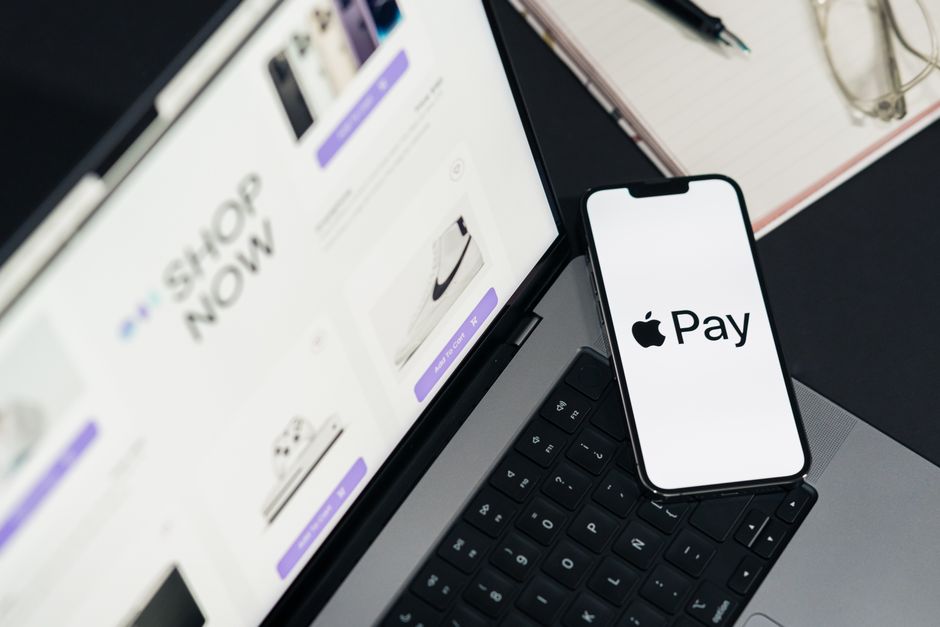
- Flexible Payment Options: Offering carrier billing alongside credit cards and digital wallets caters to diverse user preferences.
- Easy Subscription Management: Allow users to pause, cancel, or upgrade their streaming subscriptions directly through the streaming app or via carrier portals.
- Monitor User Patterns: Track payment failures and proactively communicate with subscribers to minimize interruptions.
Conclusion: Is Carrier Billing Suitable for Streaming Subscriptions?
Carrier billing can be a powerful mobile subscription payment method for streaming services, delivering fast checkout, recurring billing convenience, and a trusted billing relationship anchored by the mobile carrier. It aligns well with users on monthly contracts who value simplicity and security.
However, challenges such as revenue sharing, limited support across all mobile plans, and the complexities of prepaid balances require thoughtful implementation. Here's a story that illustrates this perfectly: thought they could save money but ended up paying more.. Streaming providers should weigh carrier billing as part of a multi-pronged payment strategy that prioritizes user experience, subscription management transparency, and robust support.
When executed well, carrier billing can enhance acquisition and retention in the competitive digital subscriptions market by reducing payment friction and capitalizing on established customer trust.
