Carrier Billing vs Debit Card for Small Purchases
When it comes to paying for small transactions online or within mobile apps, consumers today have multiple options. Two popular payment methods for micro-purchases and low-value digital goods are carrier billing and debit cards. Each method offers distinct advantages and potential drawbacks, particularly around checkout speed, spending control, and user trust. Understanding how these payment types work can help consumers and merchants alike make better decisions for small transaction scenarios.
What Is Carrier Billing?
Carrier billing (sometimes called direct carrier billing or mobile carrier billing) is a payment method where the cost of a purchase, usually digital content or services, is charged directly to the how to set spending caps user’s mobile phone bill or deducted from their prepaid balance.
Unlike credit or debit cards that rely on bank payment networks, carrier billing routes payment authorization through the user’s mobile network operator (carrier). When a customer buys a digital good or service, the purchase amount appears on their monthly mobile phone bill for postpaid accounts or decreases the balance for prepaid pay-as-you-go users.
Monthly Contract vs Pay-As-You-Go Behavior
Mobile users typically fall into one of two categories:
- Postpaid (Monthly Contract) Subscribers: These users receive a monthly bill for all their charges, including any carrier-billed purchases. Payment is consolidated, and the charge appears alongside voice and data plan fees.
- Prepaid (Pay-As-You-Go) Users: These customers load funds onto their account balance in advance. Carrier billing deducts the purchase amount directly from this balance in real time.
Each behavior type influences how spending control and checkout flow are experienced by the user. Monthly contract subscribers may feel there is a delay in payment reflection and therefore less immediacy in controlling spending, while pay-as-you-go customers see their balance drop immediately, reinforcing spending awareness.
Carrier Billing vs Debit Card: Checkout Speed & Reduced Friction
Checkout speed and ease of payment are critical factors in purchasing small-value items as they directly impact conversion rates and user satisfaction.
How Carrier Billing Speeds Up Checkout
- No Card Information Entry: Users don’t need to input sensitive payment details like card numbers, CVV codes, or billing addresses, which can be tedious on small screens.
- Authentication through Carrier Network: Mobile device and network integration enable seamless payment authorization often requiring just a confirmation tap or SMS code verification.
- Fewer Abandoned Carts: The streamlined process reduces friction, minimizing steps and dropping barriers in the customer journey, especially important for quick impulse buys.
Debit Cards and Checkout Experience
While debit cards are widely accepted and trusted, their checkout process—particularly on mobile devices—can be slower compared to carrier billing:

- Manual input of card numbers, expiry dates, and CVV codes.
- Potential prompts from banks’ fraud detection requiring additional authentication.
- Some users might hesitate due to concerns about entering card data on multiple merchant sites.
Perceived Security and Trust in Carrier Billing vs Debit Card
The perception of security greatly influences consumer payment preferences, especially for small transactions that often feel less "significant" and where convenience plays a large role.
Why Some Users Trust Carrier Billing
- Carrier Brand Trust: Mobile carriers often hold strong brand recognition and consumer confidence, which extends to their billing services.
- No Direct Bank or Card Exposure: As payment authorization happens behind the scenes, users avoid exposing card details to merchants or third parties.
- Dispute Resolution through Carrier: Many carriers provide consumer support options specifically for billing disputes, sometimes offering protections tailored to these micropayments.
Security Considerations Around Debit Cards
- Debit cards use bank-backed fraud protections, which for some consumers builds trust in using cards even for small purchases.
- However, repeated entry of card details across multiple touchpoints increases exposure risk, especially if merchants don't have strong data security.
- Some consumers worry about fraudulent charges or overspending, which can be more cumbersome to reverse compared to carrier billing disputes.
Spending Control: Managing Small Transactions with Carrier Billing vs Debit Cards
For small purchases, managing ongoing spending is a frequent concern, especially when buying digital content like https://dibz.me/blog/why-do-carriers-cap-carrier-billing-daily-or-monthly-1245 games, subscriptions, or in-app items.
Carrier Billing Spending Control Mechanisms
- Monthly Caps and Purchase Limits: Many carriers implement spending thresholds or require PIN confirmations for purchases exceeding certain amounts, helping prevent overspending.
- Prepaid Balance Monitoring: Pay-as-you-go users see their balance decrease in real time, which naturally curbs impulse buys once funds are depleted.
- Consolidated Billing Statements: Monthly contract users can review all charges in one bill, enabling easier tracking and dispute when necessary.
Debit Card Spending Control for Small Transactions
- Debit cards deduct funds directly from linked bank accounts, often discouraging overspending due to immediate balance impact.
- Some banking apps offer real-time notifications and spending categorization, aiding financial control.
- However, frequent small purchases can be harder to track unless users actively review transactions or set personal budgets, which many do not.
Summary: Which Payment Method Suits Small Transactions Best?
Both carrier billing and debit cards have unique strengths for facilitating small purchases. Here's a comparison table outlining key factors:
Factor Carrier Billing Debit Card Checkout Speed Fast — minimal data entry, device-network integration Moderate — manual data entry often required Spending Control Good — caps, prepaid balance deductions, consolidated bills Good — direct bank deductions, some banking alerts Perceived Security High — no card data shared, carrier brand trust Variable — bank-backed protections but card data exposure User Convenience High — streamlined for mobile and micro-purchases Moderate — more friction, especially on phones Merchant Acceptance Limited to digital goods and supported apps Universal — accepted by nearly all merchantsFor consumers primarily making small, fast purchases within mobile environments—such as app stores, game credits, or media subscriptions—carrier billing offers compelling advantages in checkout speed and reduced friction, all while leveraging the existing relationship and trust with their mobile network.
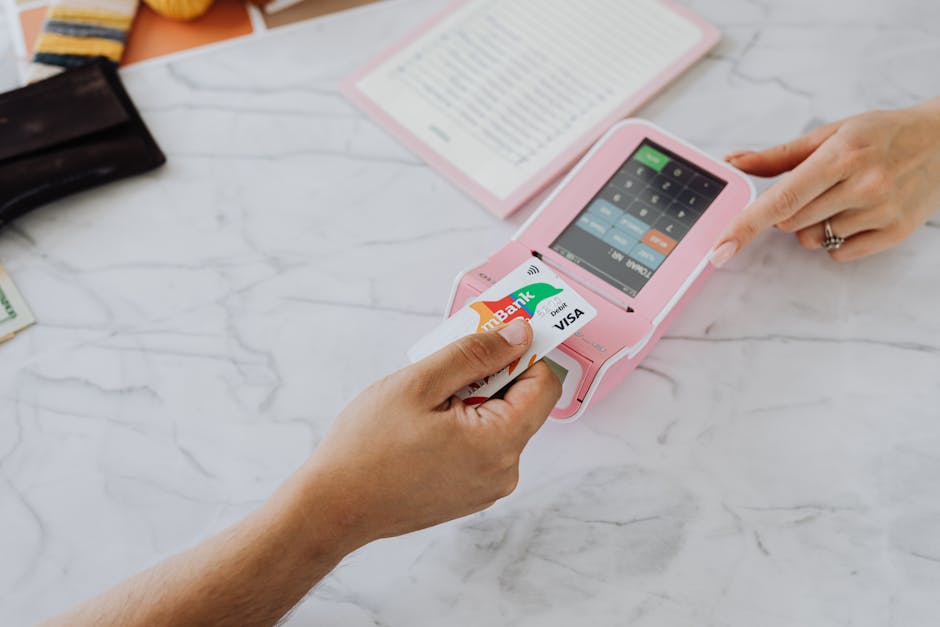
Debit cards remain a versatile and broadly accepted payment method, ideal when purchasing from a wide range of merchants or when spending control tools are integrated through bank platforms. However, the manual input and security concerns around card data can slow down checkout for small transactions.
Final Thoughts
The choice between carrier billing and debit card for small transactions hinges on priorities like immediacy, convenience, perceived security, and control preferences. Consumers valuing quick, low-friction payments within apps may find carrier billing an excellent solution. Meanwhile, those wanting broad acceptance and financial institution protections might prefer debit cards despite the additional checkout steps.
Merchants targeting micro-purchase audiences should consider offering carrier billing as a complementary payment method alongside debit cards to maximize conversion rates and user satisfaction, especially in mobile-first markets.
By understanding these dynamics, you can make informed payment choices that match your spending habits and security comfort level.