Can a Lender Authenticate My Rolex Without the Box and Papers?
Yes. A lender can often assess and authenticate a Rolex without its original box and papers. Those items can help establish a watch’s history and appeal, but they are not the watch itself. A careful lender will examine the watch, verify its identifying details, assess its condition, and decide what it may reasonably support as collateral.
That distinction matters if you need cash quickly. A Rolex can be a liquid luxury asset, but “liquid” does not mean every model sells instantly at the same price. The lender’s offer depends on the specific watch, its condition, current demand, and the lender’s own policies. A rolex collateral loan can provide access to cash while letting you keep the option to reclaim your watch by repaying the loan. I've seen this play out countless times: wished they had known this beforehand.. It is not the same as selling the watch, and it is not the same as a bank credit line.
Here is the tradeoff: a collateral loan may be faster and more private than arranging a sale, but it comes with interest, fees, repayment terms, and the risk of losing the watch if you do not meet the agreement. Before you hand over a valuable watch, understand how the authentication and valuation process works.
What the Box and Papers Actually Do
The box and papers can support a Rolex’s presentation and provenance. Original paperwork may help confirm details such as the model and sale date, while a box can make a complete set more attractive to some buyers. Exactly.. For certain references, completeness may affect resale interest or price.
But neither item guarantees authenticity. Boxes and documents can be separated from the watch, and counterfeit or mismatched accessories exist. A lender should not treat a paper card as proof that the watch in front of them is genuine. The watch itself needs to be examined.
If you have lost the papers, do not assume that your Rolex is unfinanceable. Tell the lender what you have and what you know: where you bought it, when you acquired it, whether it has been serviced, and whether any parts were replaced. Be straightforward about uncertainty. A clear account is more useful than guessing.
How Watch Authentication Works Without Papers
I'll be honest with you: watch authentication is a hands-on process. The exact steps vary by lender, and some may use outside specialists for particular models or concerns. A credible process should involve more than a glance at the dial or a quick check of the serial number.
1. Identify the watch and its details
The examiner records the model, reference information, case and bracelet details, and available serial information. They compare those features with what is expected for that model and production period. A serial number by itself is not enough: it can be copied, altered, or paired with the wrong components.
2. Inspect the exterior
The case, bezel, dial, hands, crown, crystal, bracelet, clasp, and engravings are assessed. The examiner looks for consistency in fonts, finishing, materials, construction, and fit. They also note wear, polishing, damage, and replacement parts. https://technivorz.com/barrett-jackson-bidders-do-they-really-use-watches-to-fund-purchases/ A genuine Rolex can include non-original components, which may affect value even if the watch is not counterfeit.
3. Examine the movement when appropriate
For some evaluations, the case may need to be opened by a qualified watch professional. The movement and internal markings can offer important clues about whether the watch is consistent with its claimed model. Opening a watch should be done with the right tools and care; it can affect water resistance if the watch is not properly closed and tested afterward.
4. Assess condition and marketability
Authentication answers whether the watch appears genuine and consistent. Valuation asks what it may be worth in a particular transaction. Those are related, but separate, questions. Condition, service history, original parts, completeness, and current buyer demand all affect a lender’s collateral value.
Ask what the lender does if a watch needs a closer inspection. Ask whether the examination is conducted in-house or by an outside specialist, whether opening the case is necessary, and how the watch is protected while it is in the lender’s custody.
How a Lender Sets a Collateral Value
A lender is not necessarily estimating the highest price you might see in a private listing. The lender is deciding how much it is willing to advance against an asset it may need to sell if the loan is not repaid. That means the offer can be lower than an optimistic retail asking price.

To estimate resale potential, a professional may review global secondary market pricing tracked publicly, along with recent transactions, model-specific demand, condition, and the costs and time involved in selling. Public pricing information is useful context, not a promise that a particular watch will sell at a particular number.
Factor Why it matters What to disclose or ask Model and reference Demand and resale activity differ across Rolex models and configurations. Ask how the reference was confirmed and what comparable sales were considered. Condition Wear, damage, polishing, and service needs can affect marketability. Point out repairs, scratches, service work, or known issues. Originality Replacement or aftermarket parts may change buyer interest and value. Ask which components appear original and whether any findings affect the offer. Box and papers A complete set may appeal to some buyers, but it does not authenticate the watch on its own. Provide any accessories you have, and ask how they affect the valuation. Loan terms The amount advanced is only part of the cost of borrowing. Request the interest rate, fees, due dates, renewal rules, and default terms in writing.Rolex as a Liquid Luxury Asset: Useful, but Not Cash
Rolex watches can be comparatively easy to resell because there is an established market for many models. That does not make every Rolex equally liquid. A common configuration in strong condition may attract more buyers than a heavily worn watch with unusual replacement parts. The time required to sell—and the net amount after fees, shipping, negotiation, or dealer margin—can vary.
A collateral loan changes the timing. Instead of finding a buyer and transferring ownership, you pledge the watch and borrow against it. That can free cash while allowing you to reclaim the watch if you repay under the agreement. The watch is generally held as security during the loan, so you should confirm exactly where it is stored, how it is insured, and what happens if a payment is late.
Diamond Banc is one example of a company consumers may encounter when researching loans secured by jewelry and watches. As with any provider, confirm its current watch-acceptance policies, authentication steps, written loan terms, and custody arrangements directly. Do not rely on a brand name or a verbal estimate in place of the agreement.
Speed and Privacy Versus the Interest Rate
A collateral loan may suit someone who needs funds on a set timeline and does not want to organize a public sale. Anyway,. It can also avoid some of the back-and-forth involved in listing a watch and negotiating with potential buyers. The process still requires identification, documentation, inspection, and agreement to the lender’s terms.
Privacy is relative. A private loan is not the same as an anonymous transaction, and lenders may have legal and compliance obligations. Ask what personal information is collected, how records are handled, and who can access the watch during the loan.
Here is the tradeoff. The convenience and speed of borrowing may cost more than waiting for a carefully planned sale. Compare the total amount you will owe on the date you expect to repay—not just the advertised rate. Include interest, origination or storage fees, renewal charges, and any other costs listed in the contract.
- Ask for the annual rate and the total repayment amount in writing.
- Confirm the loan term, payment schedule, and whether early repayment changes the cost.
- Understand what a renewal or extension requires, and whether it adds fees or interest.
- Read the default and sale provisions before leaving the watch.
- Borrow only an amount you have a realistic plan to repay.
Planning Around Barrett-Jackson and WestWorld of Scottsdale
In Scottsdale, the calendar can affect demand and logistics. Around Barrett-Jackson week at WestWorld of Scottsdale, the city draws collectors and people who may be balancing cars, watches, travel, and other major purchases. If you are considering a loan during auction week, do not wait until Friday night before an auction to find out whether the lender can inspect your watch or fund the loan in time.
Event timing can create a busy schedule, but it does not guarantee a better offer. A lender still needs to authenticate the watch, assess its condition, and review its own market assumptions. Nor should you assume that a car-auction crowd automatically changes the value of your particular Rolex.
Plan backward from the date you need the funds. Contact the lender early, ask what documents and accessories to bring, and check whether an appointment is required. Leave time to compare terms and walk away if the offer or contract does not suit you.
- One to two weeks before: Contact potential lenders and ask about eligibility, timing, identification requirements, and the authentication process.
- Several days before: Gather the watch, any box or papers you have, service receipts, and relevant purchase information. Do not delay simply because some items are missing.
- Before signing: Review the offer, repayment schedule, custody and insurance details, and the consequences of default.
- After the appointment: Keep a copy of the signed agreement and any inspection or intake record describing the watch’s condition.
Finding Watch Appraisal in Scottsdale
If you are looking for watch appraisal Scottsdale services, ask whether the provider is giving you a sale estimate, an insurance appraisal, or a collateral-loan valuation. These serve different purposes. An insurance appraisal may describe replacement value, while a lender’s offer is based on its lending policies and anticipated resale recovery. A dealer’s buying quote may reflect what that dealer is prepared to pay now.
Ask for the process, not just a number. A useful discussion should cover how the watch was identified, what condition was recorded, whether parts appear original, and which market evidence informed the valuation. If you receive more than one offer, compare the net proceeds and the full loan terms rather than comparing headline loan amounts alone.
What to Bring and What to Ask
Bring what you have, not what you think you are supposed to have. A missing box or papers should not stop you from asking for an assessment. Before the the appointment, make a note of the watch’s history and take clear photographs for your records.
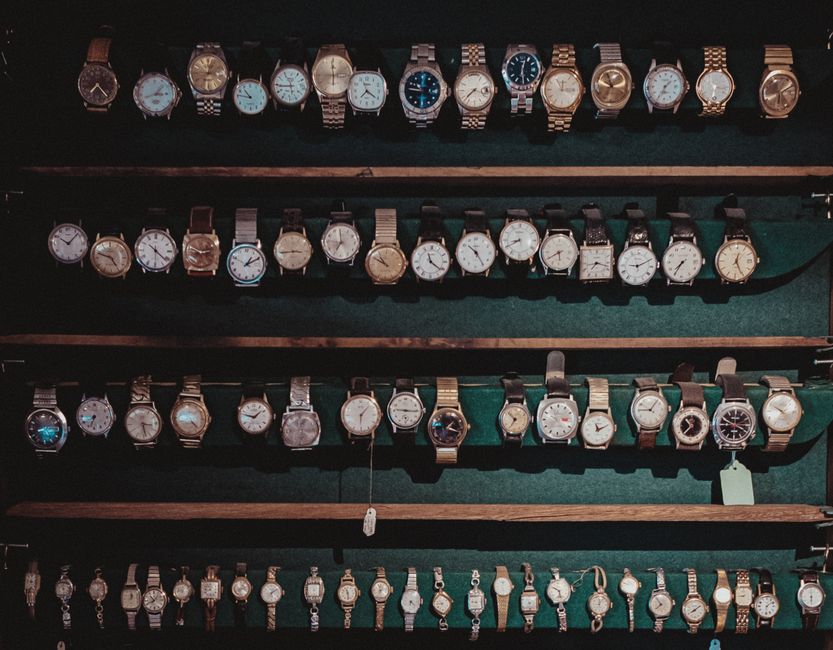
- The Rolex and any box, papers, tags, links, or accessories you have
- Purchase receipts, service invoices, or repair records, if available
- Government-issued identification, as requested by the lender
- Any information you know about replaced parts or prior service
Ask these questions directly: How do you authenticate a Rolex without papers? Will you open the case, and who performs that work? Have a peek at this website How is the watch stored and insured? How did you calculate the offer? What is the total amount due by my planned repayment date? What happens if I cannot pay on time?
The Bottom Line
A lender can often authenticate and evaluate a Rolex without its box and papers, but the missing items may affect market appeal or the offer. The important thing is a documented, careful authentication and valuation process—one that examines the watch rather than relying on accessories alone.
A rolex collateral loan can be a practical way to free cash without selling immediately, especially when timing or privacy matters. The cost is the interest and any fees, and the risk is that the watch may be sold if you do not meet the contract. Compare the full terms, plan around your actual cash needs, and get the process and custody details in writing before you leave your Rolex with any lender.